Go to readings for 12th Sunday of Ordinary Time (Year A).
Most of us know a prayer that begins with the words, “O my God, I am heartily sorry for having offended you, and I detest all my sins because of your just punishments, but most of all because they offend you, my God, who are all good and deserving of all my love…” This is one of the common versions of the Act of Contrition prayed by a penitent in the Sacrament of Reconciliation. And in this we see two reasons why a penitent is sorry for their sins: what the Church calls “imperfect contrition” and “perfect contrition.”
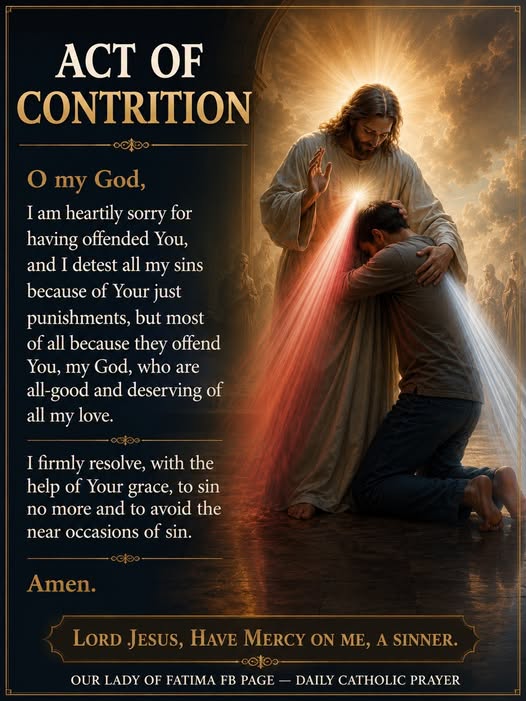
The imperfect contrition is “because of your just punishments.” We are sorry for our sins because we don’t want to go to hell. We know we have sinned, we have offended the perfection of God and that only perfection enters into the eternal presence of God. God gave us the rules, we knowingly and willfully broke them, and so our punishment would be just and right. I am sorry for my sins with an imperfect contrition: it’s centered on myself, I don’t want hell for myself for all eternity. And the Church says, because you are truly sorry, you have authentic repentance, that counts as valid contrition.
But even better than that is the perfect contrition: “most of all because they offend you, my God, who are all good and deserving of all my love.” Perfect contrition is not based on getting myself spared from eternal suffering. It’s based on the relationship of love between God and me that I have injured because of my sinful choice, and I grieve that injury, the offense, because God my heavenly father is so good, so loving, patient, and merciful, and he deserves more love from me than I can give as my response to his love, and I have truly failed in a grave way to honor that love and relationship God wants to have with me. Both imperfect and perfect contrition are acceptable, but while imperfect is centered on me, perfect is centered on God and his love for me, and my humble failure to love him as I should.
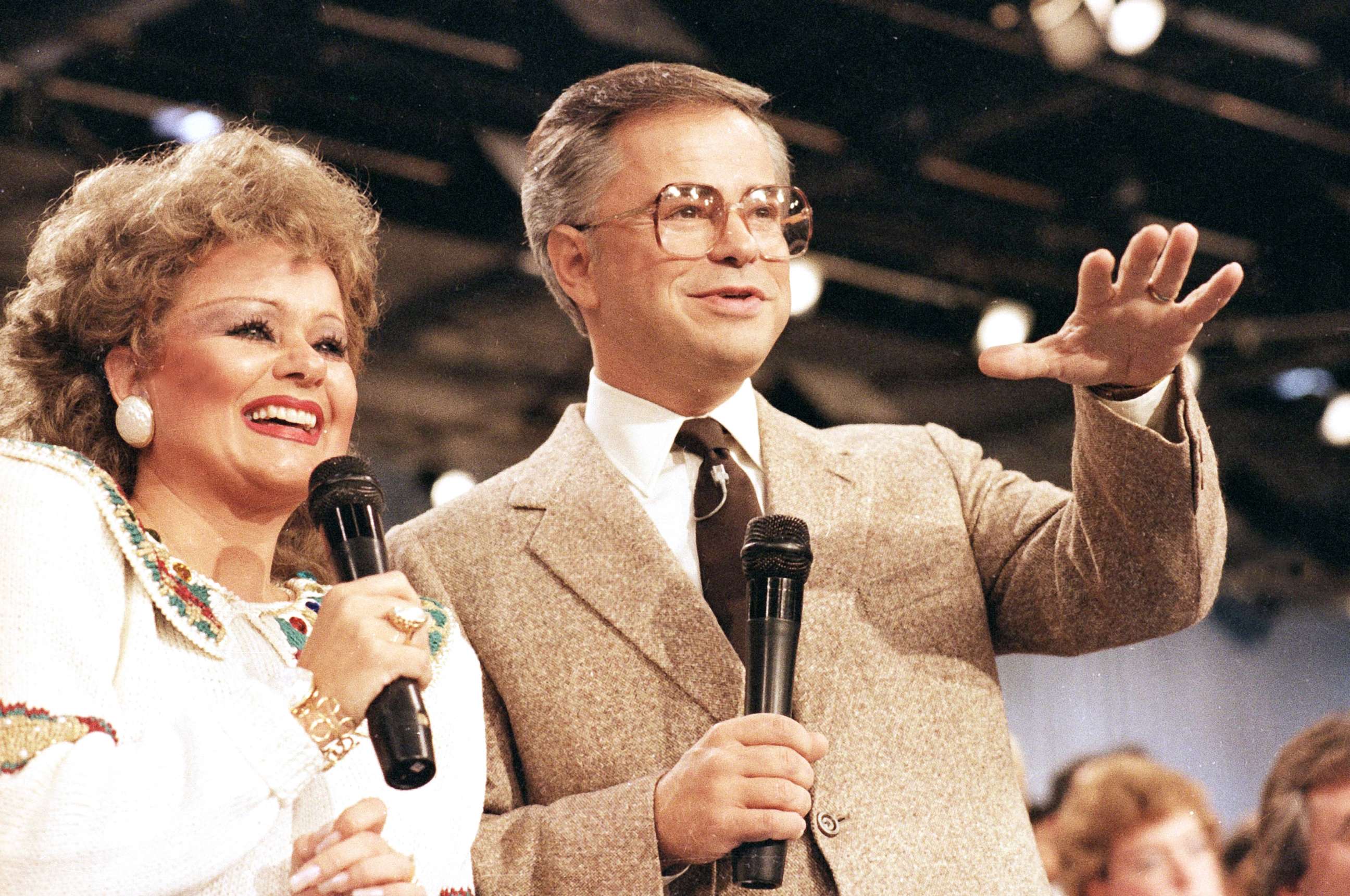
Some of our older folks remember one of the early televangelists, Jim Bakker, of the PTL Club, the 700 Club, and then the spectacular fall from grace with a sexual assault allegation and felony fraud conviction at the height of his popularity. In 1989 author John Bevere interviewed Bakker in prison, and asked Bakker when he had lost his faith, when had he stopped loving Jesus. Bakker replied he had never stopped loving Jesus. He had lost the fear of the Lord.
What’s the fear of the Lord? Is that like fearing spiders or clowns or falling from heights or the unstoppable marching of time that is slowly guiding us all towards an inevitable death? A student once asked me, “If God loves us why should we fear him?” Psalm 34 says, “Come, children, listen to me, and I will teach you the fear of the Lord.” So the Fear of the Lord is not a natural fear, it’s a different use of the word fear, or a different kind of fear. Modern material for teaching children our Catholic faith, particularly the gifts of the Holy Spirit, substitutes “fear of the Lord” with “wonder and awe”. The German theologian Rudolf Otto spoke of God as the mysterium tremendum et fascinans. Fear of the Lord is the tremendous mystery of the gap between the infinite greatness and majesty of the Creator, and the smallness of each of us as parts of his creation. St. Catherine of Siena asked God who he is, and who she is, and God responded, “I am He who is, and you are she who is not.” Our existence depends on him. In him we move and have our being and life, he sustains existence in existing. He is perfect in truth and goodness, and we are far less. And yet, God is mysterium tremendum et fascinans. God is not just the tremendous mystery, but the fascinating mystery. The great and all-powerful God absolutely loves us. He enters into our humanity. He shows us incredible grace and mercy. He is for us. And he draws us to himself. If fear of the Lord is just something that scares us away from God, that is not holy fear. Holy fear also draws us toward God, but in humble recognition that his love for us is infinitely greater than our capacity to love him back, even if we love him with all our heart, all our strength, all our soul, and all our mind. And so we might say that mysterium tremendum et fascinans can be rightly translated as “wonder and awe.”
Right before our gospel reading, Jesus teaches his disciples, preparing to send them out. “Brother will hand over brother to death, and the father his child; children will rise up against parents and have them put to death. You will be hated by all because of my name, but whoever endures to the end will be saved… No disciple is above his teacher, no slave above his master. It is enough for the disciple that he become like his teacher, for the slave that he become like his master.”
Then our gospel reading for today starts: “Fear no one.” This is like Saint Paul reminding the suffering Christians in Rome, if God is for us, what does it matter who is against us? Do not have any fear of others when you have the wonder and awe of God with you. “Nothing is concealed that will not be revealed, nor secret that will not be known.” In other words, the traps they lay for you will be made plainly visible, the plots they devise against you will be found out and spoiled. “What I say to you in the darkness, speak in the light; what you hear whispered, proclaim on the housetops.” Although Jesus’ divine identity and power and mission have been concealed in secrecy, this will be the centerpiece of the apostolic good news, the kerygma, the central core of the Christian proclamation of the gospel.
“And do not be afraid of those who kill the body but cannot kill the soul; rather, be afraid of the one who can destroy both soul and body in Gehenna.” Satan cannot destroy what God does not give him permission to destroy, so Jesus here is talking about God. A lot of people, even a lot of Christians, even a lot of Catholics, struggle with the reality of eternal hell. But no one spoke more about hell than Jesus, who came that through him we might be saved from it. Here Jesus is telling us that if we have a right relationship with God—that wonder and awe of a right fear of the Lord, reverence, love, and from that, obedience—then although we might suffer in this world, including even death, we win the ultimate game, which is eternital life. Of course, we do have a natural fear of suffering, and especially death. Of course, Christians today are probably not going to be sent to the lions, or burned at the stake, for our faith. We’ll be cancelled. We’ll be financially and legally attacked with a thousand paper cuts. We’ll be socially rebuked. We’ll be forced to forfeit. But do not be afraid of anything in this world, who can merely destroy the body, but fear only God.
But notice that as soon as Jesus conjures this image of fearing God as the tremendous mystery, that he follows that with the providence of God, and the fatherhood of God, and the care of God for us. “Are not two sparrows sold for a small coin? Yet not one of them falls to the ground without your Father’s knowledge… So do not be afraid; you are worth more than many sparrows.” (I skipped over the line about counting the hairs of your head. We don’t need to talk about that, do we?) But the message is that if God cares so intimately about even a common little sparrow, do not be afraid, for you are worth more than many sparrows. God loves you not just because you are his creation, but because you are his beloved son or daughter. He is not just the tremendous mystery, but the fascinating mystery, who made you to seek him in love by nature, to respond to his incredible love for you. Jesus speaks very intimately and encouragingly about the Father’s love and compassion, because he knows it personally, for all eternity, sharing the same divine nature and perfect relationship with the Father. No one knows the Father like the Son.
And here is perhaps a beautiful moment to recognize today’s national celebration of Father’s Day. It’s often been noted that on Mother’s Day the prayers are about thank you moms, they’re so sweet and loving and self-giving, and for Father’s Day the prayers are about the responsibility to step up into the 3 P’s of fatherhood: to provide, protect, and preside.
And that is true. Fathers set the spiritual, even the emotional tone of the family. They can make the home a place of sin and fear or a place of holiness and unconditional love and affirmation. They’re expected to figure everything out in a crisis and be the defender against potential danger. They’re the ones behind the wheel on family trips while everyone else sleeps. They’re often the main income of the home, and carry the pressure of providing for the needs and wants of everyone in the family. They hide their fear, their vulnerability, their wounds to keep their families secure. Many struggle with the weight of feeling like they aren’t doing, or haven’t done, or can’t do, enough as husbands or fathers, to be the super dad, the perfect dad. Many of them served in the military, perhaps even in war, carrying regrets, terrors, guilt and wounds, perhaps both emotional and physical, that they try to put behind them as best they can. They know they won’t always be around to protect their families from every danger and potential disaster. A father teaches his sons tying ties, how to drive stick, how to change a tire, how to play golf, and how to make a martini. A father teaches his sons the standard of how to treat women, and teaches his daughters the standard of how men should treat them.
Today, on Father’s Day, we are offering our prayers for our dads, living or dead, on the altar of God during this Holy Mass and invoking our Heavenly Father’s blessings on them. When the priest begins the liturgy of the Eucharist, “Pray brothers and sisters, that my sacrifice / and yours / may be acceptable to God the almighty Father,” we bring our sacrifices of prayers, for our needs of God’s help, and for those whose needs we know, and offer them on the altar along with the offering of the priest, the bread and wine, that God would take them to himself, bless them, and return to them to us filled with his grace. Today that offering is for our fathers, who if we were blessed to have a good, holy father, we offer in love and thanksgiving; and if our fathers were maybe not as much good, holy fathers, we pray for them, too, for healing of their wounds, for an openness to God’s affirming love for them, and that we might have forgiveness for them. That God might receive these prayers and bless our fathers with abundant grace, that they would know and feel our thanksgiving for them, our love for them, our wisdom that they tried to make our lives better than their own, tried to teach us lessons and virtues in ways that were perhaps tough love, to prepare us for a world that is often tough, and not as loving. We honor our fathers today for their impossible task of helping their wives experience the love of the divine bridegroom for his bride, and of helping their children experience the love of the divine father for his children. And there is no greater prayer we can offer than the holy sacrifice of the Mass, the perfect sacrificial offering that the beloved son of God offered, in loving and trusting obedience to his father, our father, for our forgiveness, for our healing, and for our salvation.